


Can Folding Arm Awnings Handle Heavy Rain and Wind?
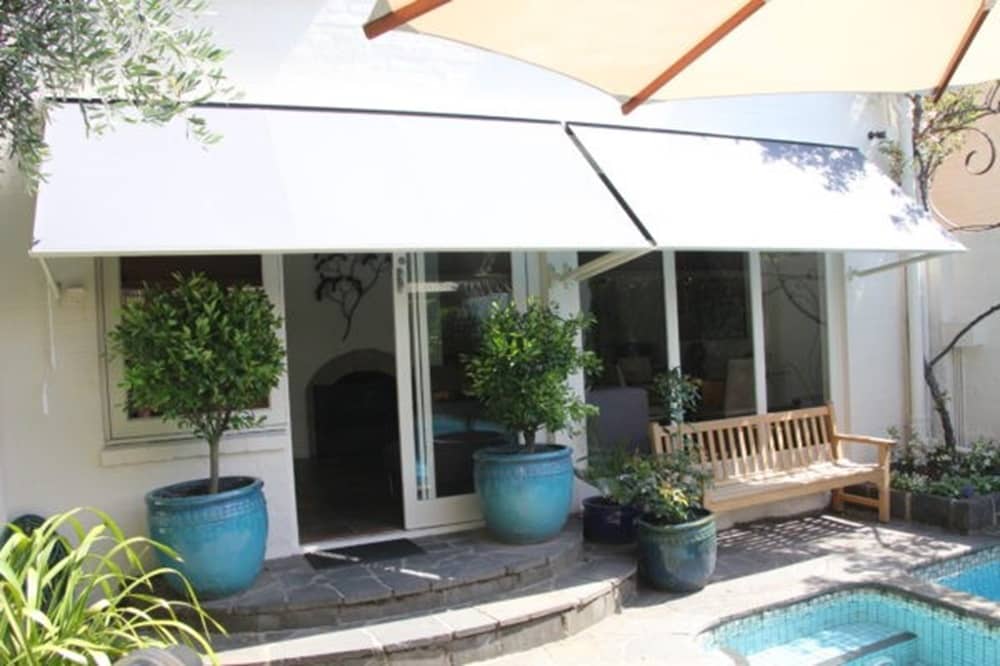
Folding arm awnings have been popular with Australian homes and businesses for some time. Sleek, retractable, and unobtrusive, they are a practical way to extend patios, decks, and alfresco areas without the need for a more permanent structure.
But one question comes up time and time again, “can folding arm awnings actually handle heavy rain and wind?”
The short answer? Not in the way many people assume. While they perform exceptionally well in the right conditions, understanding their limitations is essential if you want to protect your property and get the most out of your awning.
This is one of the most important considerations when helping customers choose the right outdoor solution. Let’s break it down in this guide.
What Folding Arm Awnings Are Designed For
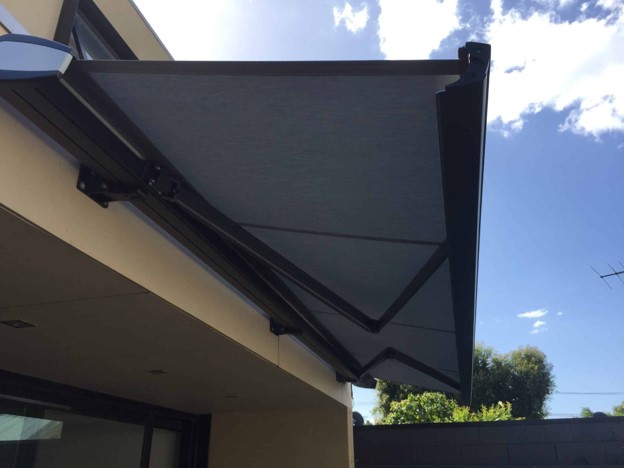
To understand how they perform in rain and wind, you first need to understand what folding arm awnings are actually designed to do. Folding arm awnings are primarily shade systems. They extend horizontally from a wall using articulated arms, creating a covered outdoor space without the need for posts or vertical supports.
This open design is one of their biggest advantages. It keeps your area unobstructed and visually clean. However, that same design is also the reason they have limitations in harsh weather.
Unlike fixed structures such as pergolas or roof systems, folding arm awnings don’t have support underneath. This means they rely entirely on the strength of their arms and mounting system to remain stable.
Heavy Duty Folding Arm Awnings
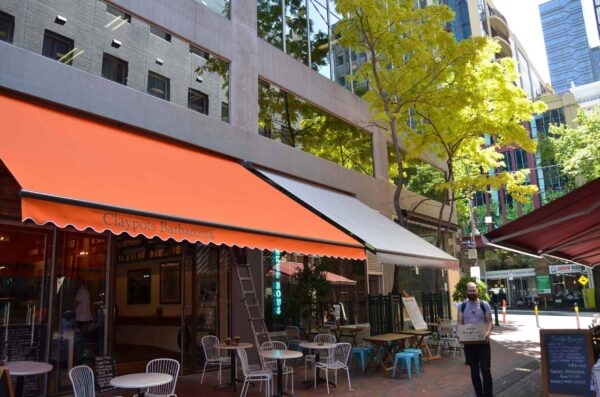
IOI has a standard heavy duty awning that can be supplied from 3.5m up to 7m with extension from 2-4m. Other brands can also be supplied if special requirements are needed.
Can Folding Arm Awnings Handle Heavy Rain?
Folding arm awnings can handle light rain, but heavy rain is a different story. Most modern awning fabrics are water-resistant, meaning they can repel light showers. However, they are not typically designed to withstand prolonged or heavy rainfall.
When it comes to rain, the concern isn't just the water itself, but the weight of it. A square metre of water can weigh significantly more than you might expect. If an awning is not set at a steep enough angle (pitch), water can "pool" in the centre of the fabric.
Once pooling starts, the weight of the water stretches the fabric and puts immense pressure on the folding arms. If left unaddressed, this can lead to bent hardware or, in extreme cases, the awning being pulled away from the wall.
Most awnings are designed to cope with light to moderate rainfall but they do have limits.
- Light rain: Generally fine, especially if the awning is set at the correct angle to allow water runoff.
- Moderate rain: Usually manageable, but only with proper pitch and monitoring to prevent water pooling.
- Heavy rain: Not recommended, as excess water can cause sagging, structural strain or even collapse.
The safest approach is to retract your awning during heavy downpours to avoid unnecessary stress or potential damage.
The importance of pitch (angle)
One of the most critical factors in rain performance is the awning angle.
To allow water to run off properly, a folding arm awning needs a noticeable pitch—typically around 15 degrees or more.
Without this slope:
- Water will sit on the surface
- The risk of damage increases significantly
- The awning becomes unsafe to use
At Indoor Outdoor Imports, proper installation and pitch adjustment are key considerations to ensure your awning performs as expected.
Can Folding Arm Awnings Handle Wind?
Wind is where folding arm awnings are most vulnerable, because they extend outward without vertical support, they can act like a sail in strong gusts. Even high-quality, heavy-duty models have limits, and once those limits are exceeded, damage can happen quickly.
Understanding wind ratings
Most folding arm awnings are built to handle moderate wind conditions, typically up to around 30–38 km/h.
Beyond this range, the risk of damage increases significantly especially in sudden or gusty conditions.
Warning signs to act on
If you notice any of the following, it’s time to retract your awning immediately:
- The arms starting to flex or strain
- Excessive flapping of the fabric
- Sudden or strengthening wind gusts
As a general rule, folding arm awnings should never be left extended in windy weather or when unattended.
Why wind causes more damage than rain
Unlike rain, which adds steady weight, wind introduces unpredictable force.
Air can get underneath the awning, creating an uplift that places stress on the entire structure. This can:
- Bend or damage the arms
- Loosen or strain mounting points
- Tear or stretch the fabric
It’s this lifting effect, not just the sideways push that makes wind very destructive.
Heavy-Duty vs Standard Awnings: Does It Make a Difference?
Not all folding arm awnings are created equal. Heavy-duty models are designed with stronger arms, reinforced components, and higher-quality fabrics. These features can improve resistance to both rain and wind, but they don’t make the awning storm-proof.
Even the most robust systems:
- Require proper pitch for rain
- Need to be retracted in strong wind
- Aren’t designed for extreme weather events
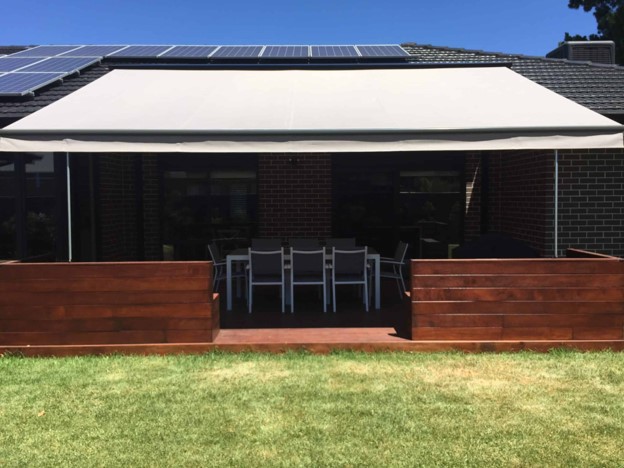
An awning must be located high enough to allow for the anticipated pitch of the canopy. Typically, a minimum of 3.2m. The pitch is adjustable at time of installation. Some models have user adjustable pitch control.
Awnings can be face mounted or ceiling mounted. If your eave is less than 3.2m mounting thru the facia to roof joists can be considered. Secure fixing must be established by our qualified installer.
Smart Features That Improve Weather Performance
Modern folding arm awnings have evolved significantly, and there are now features that help protect them from unexpected weather changes.
Wind sensors
Motorised awnings can be fitted with wind sensors that automatically retract the awning when wind speeds exceed safe levels. This is one of the best ways to protect your system, especially if you’re not always around to keep an eye on weather conditions.
Rain sensors
Some systems also include rain sensors, which can trigger retraction during heavy rainfall.
Full cassette protection
Full cassette awnings enclose the fabric and arms when retracted, protecting them from the elements and extending their lifespan.
At Indoor Outdoor Imports, these kinds of upgrades are often recommended for customers who want added peace of mind.
When Should You Retract Your Awning?
As a general rule, your folding arm awning should be retracted when:
- Heavy rain begins
- Wind becomes strong or gusty
- Storms are forecast
- You’re leaving the area unattended
This simple habit can dramatically extend the life of your awning and prevent costly repairs.
Best Use Cases for Folding Arm Awnings
Despite their limitations in extreme weather, folding arm awnings are still one of the most versatile outdoor shading solutions available.
They’re ideal for:
- Providing shade on hot Australian days
- Creating comfortable outdoor dining areas
- Extending living spaces at home
- Enhancing cafés and restaurants with flexible coverage
Their ability to retract completely means you can enjoy full sun when you want it—and instant shade when you need it.
When You Might Need a Different Solution
If your outdoor area is regularly exposed to harsh weather, a folding arm awning might not be the best standalone option.
You may want to consider alternatives such as:
- Fixed awnings
- Pergola systems
- Retractable roof systems
These options provide more structural support and are better suited to handling heavy rain and wind.
That said, many customers still choose folding arm awnings for their flexibility and aesthetics and simply retract them when conditions change.
The Retractable Roof Alternative
For some businesses and homes, "sun-only" protection isn't enough. If you are located in a high-wind area or you need a space that can remain open even during heavy rain, you might consider a retractable roof system.
As we discussed in our recent comparison guide, retractable roof systems use a different engineering model.They run on fixed side tracks, meaning the fabric is held securely on all sides.
This allows them to withstand much higher wind speeds and handle heavy rain with ease, making them the ultimate "all-weather" solution for year-round alfresco dining.
The Indoor Outdoor Approach
At Indoor Outdoor Imports, we don't just focus on selling awnings, it’s on helping customers choose the right solution for their space, lifestyle, and local conditions.
This includes:
- Recommending the right awning type
- Ensuring proper installation and pitch
- Offering motorisation and sensor upgrades
- Providing honest advice about limitations
It’s this practical, experience-driven approach that ensures customers get long-term value from their investment. Our systems are customised to each individual application including size, frame colour and fabric selection. We have a large range of fabrics available including Acrylics, Mesh and Clear vinyl options.
Are They Suitable for Heavy Rain and Wind?
Folding arm awnings are incredibly effective but only when used as intended. They can manage light showers, but heavy rain should be avoided unless the awning is correctly angled. Even then, caution is required.
A steep pitch is required to avoid rainwater collecting on the canopy. The pitch required to drain water effectively will vary with the arm length and strength of the arms. As a guide, 15 degrees may be enough for short heavy-duty arms.
For strong winds they are not designed for it. Retraction is essential once wind conditions pick up. Higher quality heavy duty folding arm awnings are more resistant to wind effects than light duty units.
Wind direction and strength will impact differently. If wind is causing the arms to flex, then the awning should be retracted. Folding arm awnings should not be extended while unattended.
A set of storm poles can extend the use in blustery conditions but do not prevent storm damage if the wind is high.
Get High-Quality Heavy Duty Folding Arm Awnings
Folding arm awnings offer a stylish, flexible way to transform outdoor spaces, but like any system, they have their limits. By understanding how they respond to rain and wind, and using them correctly, you can enjoy all the benefits without the risks.
Indoor Outdoor Imports supply premium quality awnings, blinds and retractable roof systems. These systems are customised to each individual application including size, frame colour and fabric selection.
We supply quality heavy duty folding arm awnings in Melbourne, Sydney, Adelaide, Brisbane and the Gold Coast. So, if you need any advice on materials, design, installation, or customisation, get in touch with our friendly team today.
-
June 25, 2026
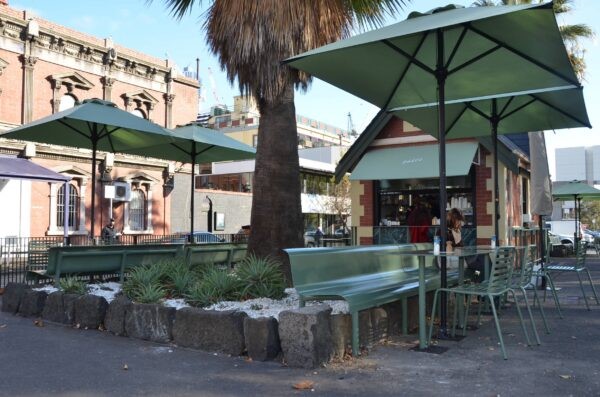 A Simple Guide to Choosing the Right Size Square Umbrella
Choosing the right outdoor umbrella can completely transform the way you use your outdoor space. Whether you’re furnishing a café courtyard, or providing shade for customers at a pub or restaurant, choosing the right umbrella size is one of the most important decisions you’ll make. Many buyers focus on colour, fabric, or frame design, but […]
-
May 28, 2026
Can Folding Arm Awnings Handle Heavy Rain and Wind?
Folding arm awnings have been popular with Australian homes and businesses for some time. Sleek, retractable, and unobtrusive, they are a practical way to extend patios, decks, and alfresco areas without the need for a more permanent structure. But one question comes up time and time again, “can folding arm awnings actually handle heavy rain […]
-
April 22, 2026
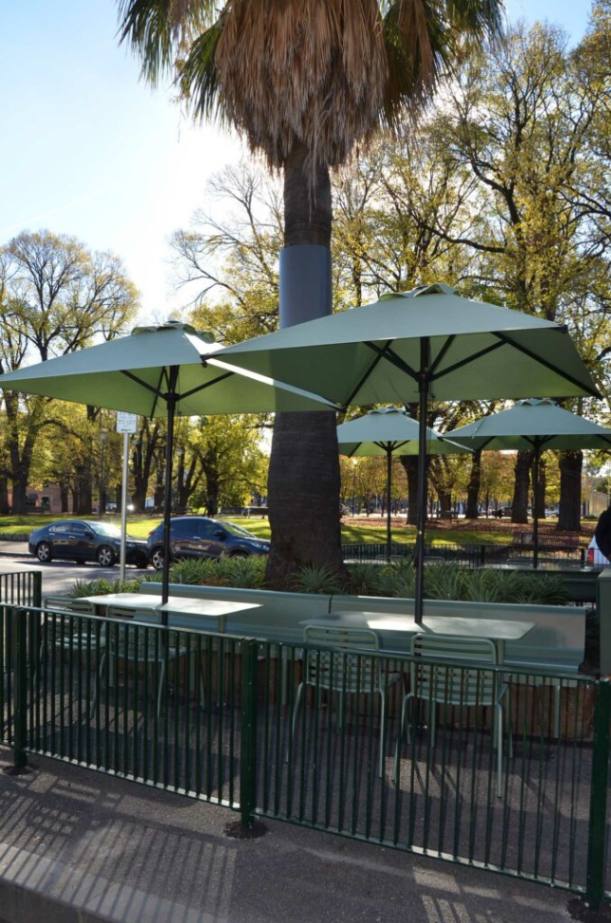 How to Select the Best Heavy-Duty Umbrella for Your Needs
When it comes to outdoor living, there is one practical yet often overlooked addition that will help protect your outdoor space; a high-quality heavy duty umbrella. As our weather gets more and more unpredictable by the day, investing in the right umbrellas has become a no brainer. Whether you’re shading a residential patio, family garden, […]
-
March 18, 2026
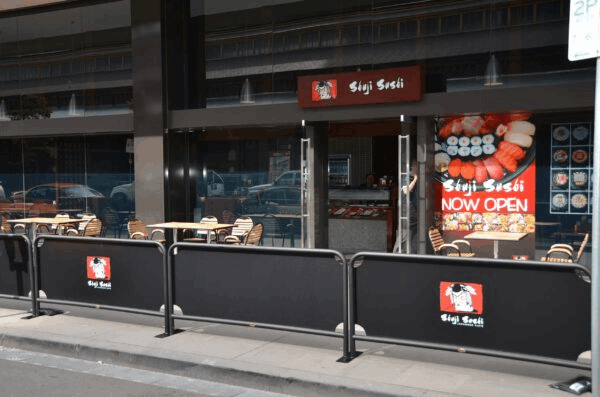 Cafe Barrier Materials: Vinyl vs Acrylic
Outdoor dining is a staple feature of cafés, restaurants, and hospitality venues across Australia. Whether it’s a bustling street café in Melbourne or a quiet courtyard setting in the suburbs, creating a comfortable and aesthetically appealing outdoor space is essential. One of the best ways to achieve this is through “café barriers” also known as […]
-
February 13, 2026
 How to Clean Your Retractable Awning (Without Ruining It)
If you’re looking for the ultimate in flexibility for an outdoor dining or alfresco area, retractable awning systems are hard to beat. Chances are you’ve already spotted some retractable awnings at many of Melbourne’s most popular restaurants and bars, and they’re just as popular in homes around the city too. Keeping them cleaned and maintained […]
-
January 21, 2026
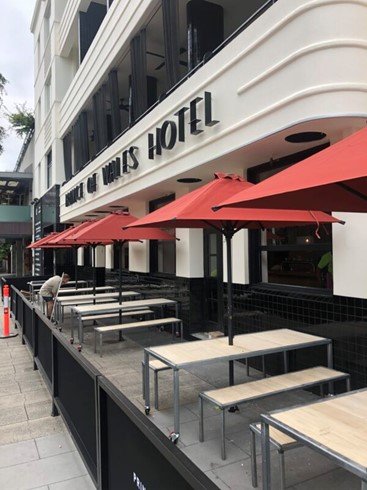 Market or Cantilever Umbrellas: Which Style Fits Your Space?
The right outdoor umbrella can truly revolutionise your space. However, since there are so many options available, it’s just as important to invest in the right style as it is the first option that catches your eye. These days, standard market and cantilever umbrellas are easily two of the best options on the Australian market. […]
-
December 25, 2025
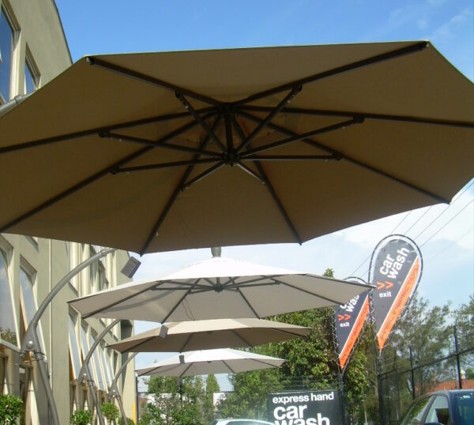 Which Umbrella Is Best for Windy Conditions? Heavy Duty vs Standard Explained
Outdoor umbrellas are meant to offer shade and protection from elements, but not every type is built for the impact of strong winds. From backyards to an outdoor music festival, this is actually one of the biggest challenges any umbrella owner will face. Choose the wrong option or leave it exposed to strong gusts, and […]
-
November 28, 2025
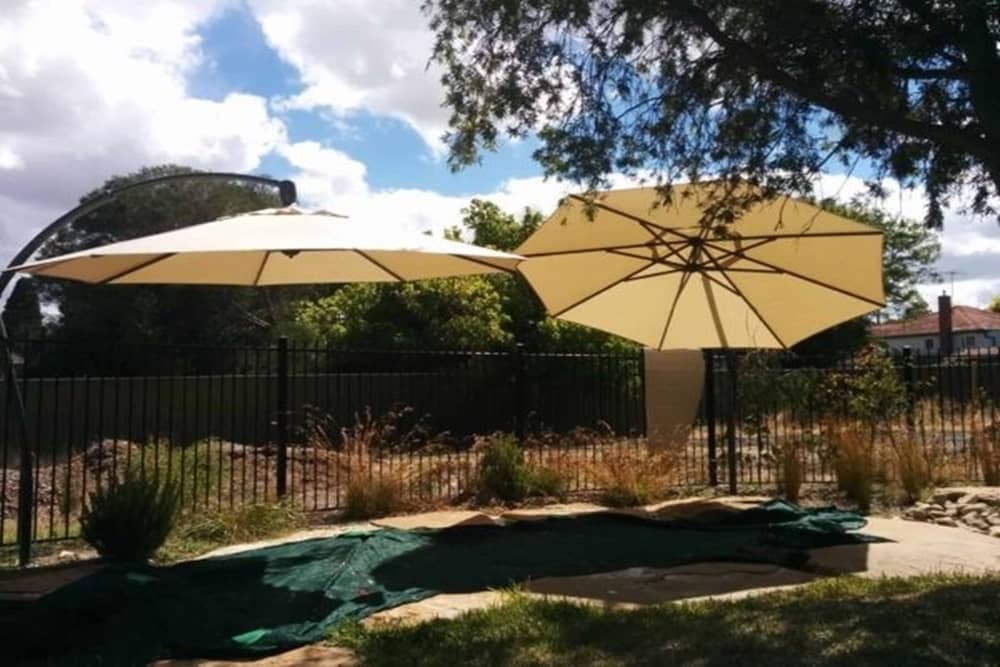 A Comprehensive Guide to Pool Shades: Everything You Need to Know
Summer’s right around the corner, and if you’ve got a pool, now is the perfect time to invest in some shade! With UV levels that are among the highest in the world, pool shades are a quintessential asset to Australian homes, hotels, businesses, and aquatic centres. In this guide, we’ll explore the pros and cons […]
-
October 27, 2025
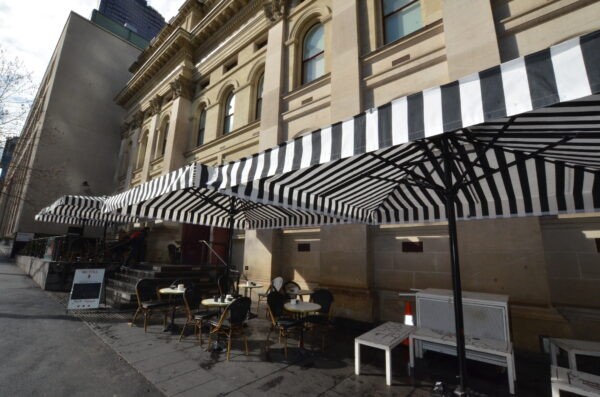 How to Choose the Right Size Market Umbrella for Your Outdoor Space
With summer quickly approaching, there’s no better time than now to invest in outdoor market umbrellas. Although you might recognise the need to get them installed, it’s not always easy to know what size or style is the best fit. Whether you’re setting up a café terrace, planning an event, or creating a relaxing backyard […]
-
September 15, 2025
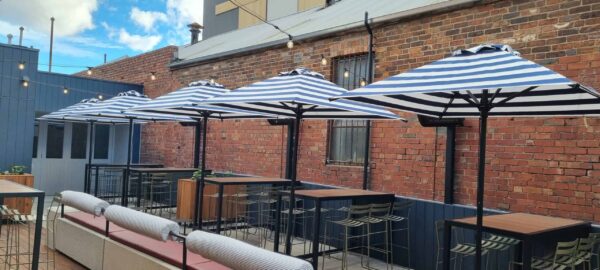 Should I Choose a Round or Square Café Umbrella?
Outdoor umbrellas are one of those items that we tend to underestimate—until they’re set up and we realise just how much difference is made. It doesn’t matter if you’re running a café, setting up a pop-up stall, or creating a comfortable spot in your backyard, a well-made umbrella is a great investment. But when it […]
-
August 29, 2025
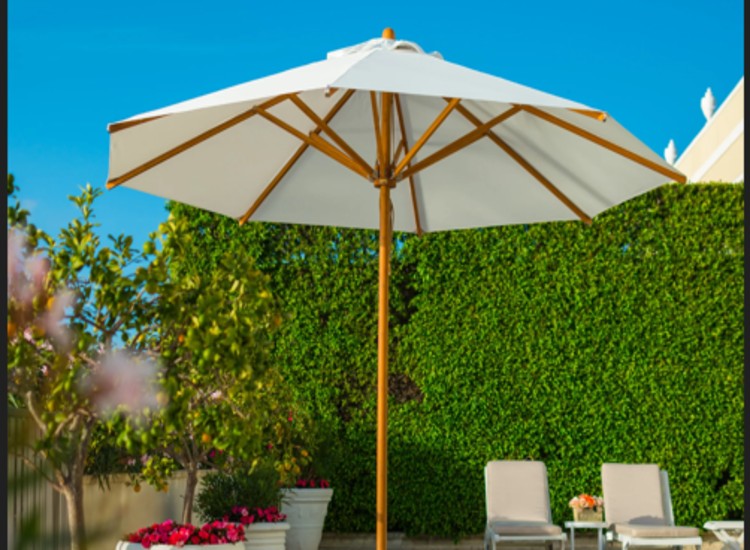 Should I Invest in an Outdoor Pool Umbrella? Exploring Everything You Need to Know
Getting your outdoor space ready for the upcoming summer? For many Australian homes and businesses, a reliable pool umbrella has become a must-have. These umbrellas can undoubtedly make a huge difference, especially in terms of comfort and safety; but are they worth the investment? Today, we’re going to weigh up the pros and cons of […]
-
July 25, 2025
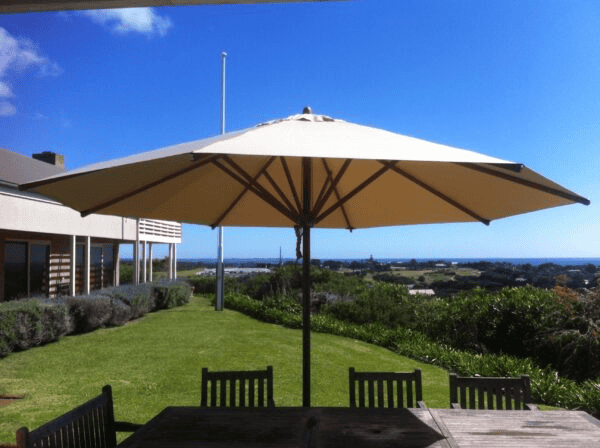 Centre Pole or Cantilever Umbrellas: Which One Is Better for Outdoor Seating?
Setting up an outdoor space? Whether it’s for a café terrace, poolside retreat, restaurant courtyard or backyard, the umbrellas you select can make or break the entire area. At this point, it’s not only about picking a colour or size; the style of umbrella you choose will affect how your space functions on a day-to-day […]
-
June 30, 2025
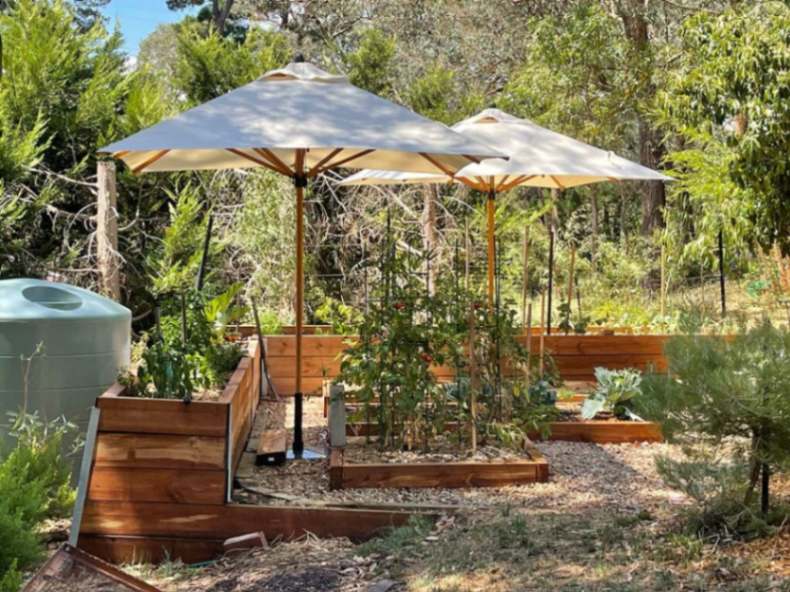 How to Clean and Maintain Your Outdoor Umbrella
Outdoor umbrellas are a great investment for events, businesses, backyards, and all types of entertaining areas. They come in many different sizes, colours and styles, which also makes them a fantastic way to accessorise outdoor dining, pools or entertainment areas. But what happens when your umbrella starts to look a little worse for wear? Fading, […]
-
May 30, 2025
Benefits of Installing Café Barriers at Your Restaurant or Café
Café barriers. Take a walk down Hardware Lane, Lygon St, or any suburban shopping strip in Melbourne and you’re guaranteed to come across them. Both family restaurants and major franchises have used these multi-purpose structures for decades on end. The question is this; why do they keep turning back to the café barrier again and […]
-
April 7, 2025
 Outdoor Umbrellas or Retractable Awnings: Which Shade Solution Is Best for You?
Trying to decide between outdoor umbrellas and retractable awnings? Whether you’re a homeowner creating the ultimate backyard escape, a business owner adding more appeal to a restaurant or café, or an event organiser planning an alfresco setup, a reliable shade solution is essential. At Indoor Outdoor Imports, we often get asked: “Should I go with […]
-
March 5, 2025
 Should I Invest in a Folding Arm Awning? Exploring the Benefits for Homes and Businesses
Wondering if folding arm awnings are the right option for your property? We’re here to share the many reasons why they’re an excellent investment for both residential and commercial settings. Whether fixed or retractable, awnings are a versatile outdoor shading solution that improves comfort and protects your spaces from the elements. In this article, we […]
-
February 5, 2025
 Manual or Motorised Retractable Awnings: Which Is Right for You?
Whether you’re creating a shaded outdoor dining area, protecting your windows from the midday sun, or expanding a café’s street frontage, retractable awnings are a great investment that come with many different benefits. But when it comes to choosing between manual and motorised retractable awnings, it’s easy to be left wondering: which is better for […]
-
January 6, 2025
 What to Look for When Buying an Outdoor Umbrella: A Step-by-Step Guide
There’s no doubting the value of well-made outdoor umbrellas–especially as Australia’s climate becomes more and more unpredictable by the day. However, while we can all recognise their inherent value and purpose, it’s only natural to wonder what you should look for as a buyer. Whether you’re running a business, marketing at an event, or need […]
-
December 2, 2024
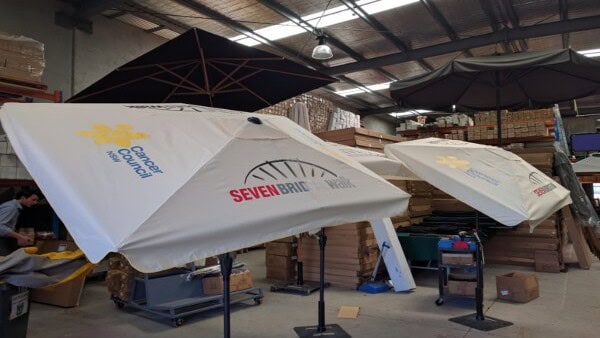 5 Reasons to Invest in Promotional Café Umbrellas
In Australia’s ultra-competitive hospitality scene, cafes and restaurants are always looking for a way to stand out. While interior design, decor and menu all make a difference, the first impression often starts outside. This is why promotional café umbrellas are still one of the most effective ways to attract customers to your business. In addition […]
-
November 1, 2024
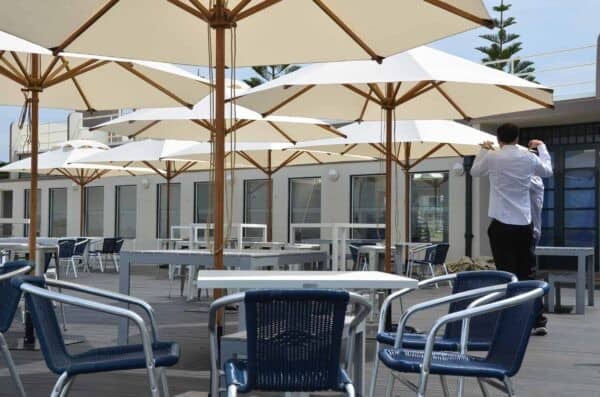 Patio Umbrellas vs Market Umbrellas: Understanding the Key Differences
Outdoor umbrellas are a quintessential part of the Australian lifestyle. From homes to restaurants and public spaces, these structures provide the shade we need to stay comfortable, safe, and ready for whatever the day brings. If you’re looking to invest in something for your property, this article is going to breakdown the key differences between […]
-
October 1, 2024
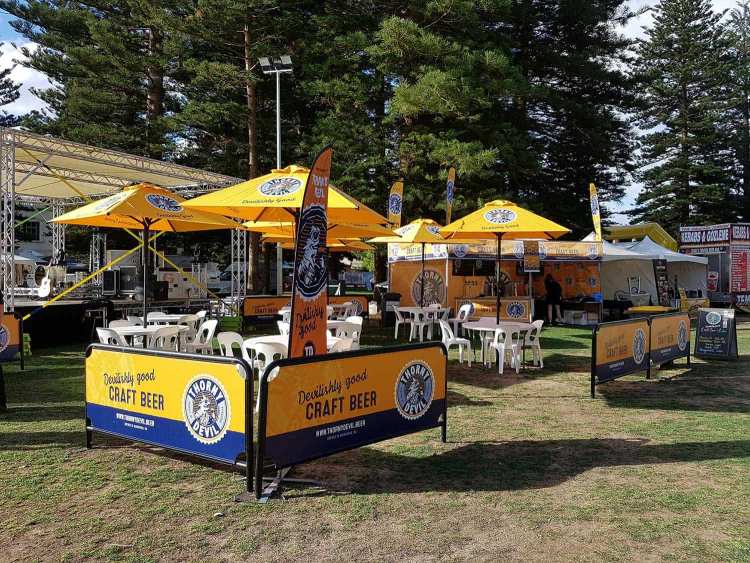 Benefits of Using Branded Event Umbrellas at Your Next Event
With spring already underway and summer just around the corner, now is the perfect time to prepare for another busy event season. If you want to really make an impact on guests, clients, and passersby, branded umbrellas are a great investment. At Indoor Outdoor Imports, we’ve supplied high-quality branded umbrellas for more than 30 years. […]
-
September 2, 2024
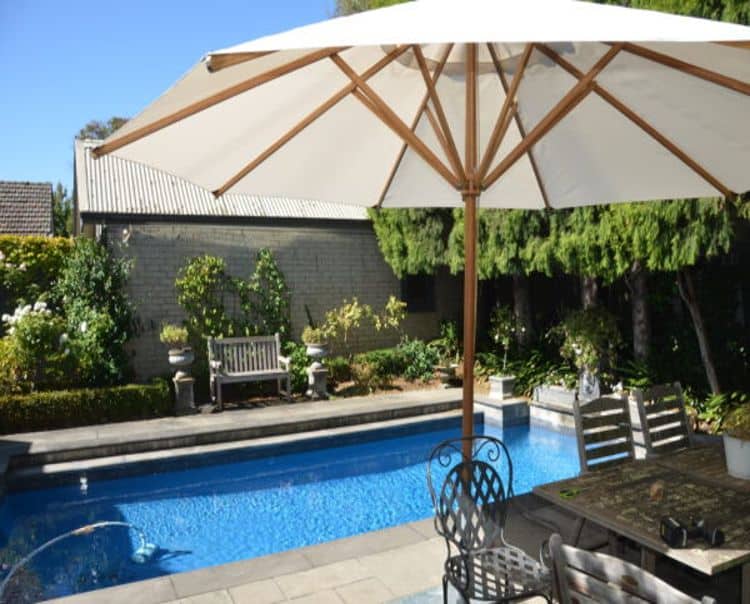 How to Choose the Best Shade Umbrella for UV Protection?
There’s nothing like being outdoors on a beautiful sunny day, especially when you’ve got the perfect amount of shade. However, because Australia’s sun is so harsh, everyone can benefit from a high-quality outdoor umbrella. Whether you’re catering to patrons, lounging by the pool or spending a day at the beach, selecting an umbrella that offers […]
-
August 8, 2024
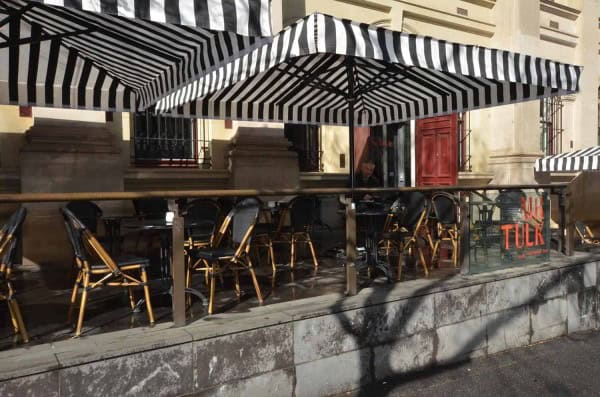 Printed vs. Plain Cafe Umbrellas: Which is Best for Your Business?
Struggling to decide between printed and plain umbrellas? Not sure which option best suits your cafe or restaurant? We’re here to help. Throughout this article, we’re going to do a deep dive into the main differences between the two, as well as explore the printing process, types of market umbrellas, and more. The Basics of […]
-
July 17, 2024
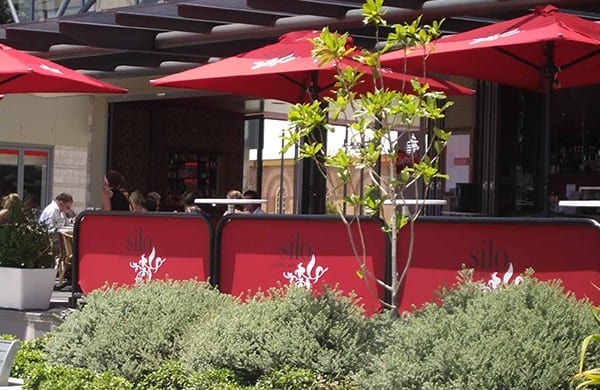 The Importance of Cafe Wind Barriers for Outdoor Seating Areas
According to recent statistics from IBIS World, there are roughly 26,124 cafes currently operating across Australia. This means that as an owner of a cafe or hospitality venue, you’re in constant competition with other businesses–even more so if you’re based in a busy area like the Melbourne or the Sydney CBD. So, how can you […]
-
June 17, 2024
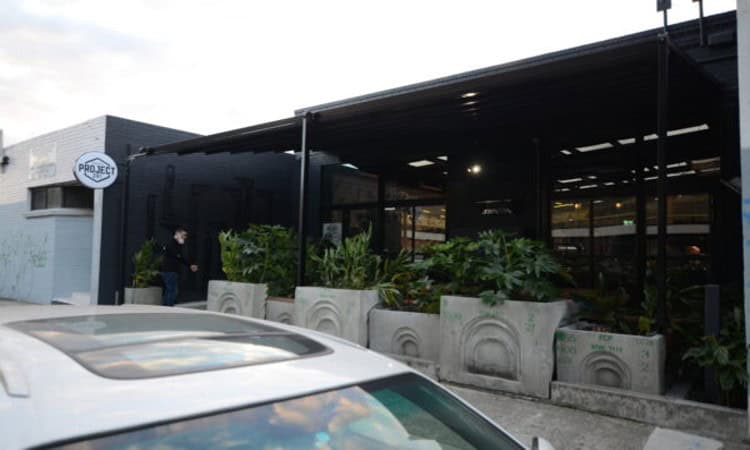 Why Retractable Roof Systems are a Smart Investment for Your Business
Ideal for restaurants, cafes, hospitals and more, retractable roof systems are becoming more and more popular with Australian businesses. In large part, this is due to their versatile, durable, and flexible nature. As you can probably gauge from the name, these systems are designed to expand whenever your business needs coverage or shade. When you […]
-
May 9, 2024
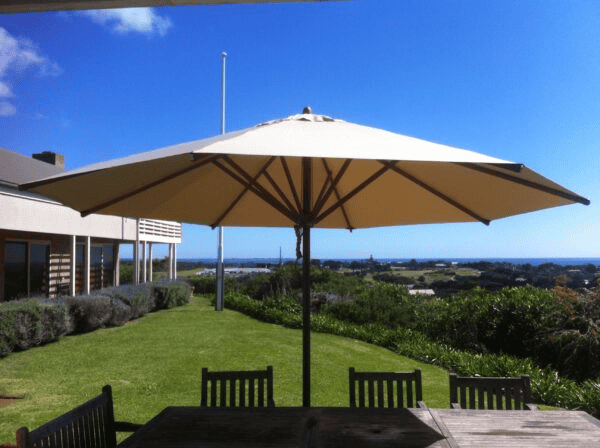 The Practical and Aesthetic Value of Market Umbrellas
From small cafes to shopping centres, homes, and festivals, market umbrellas are everywhere you look. Market umbrellas are fixed or freestanding outdoor umbrellas that are typically used to provide extra shade and protection. However, this is only a quick snapshot of everything they offer. Throughout this article, we’re going to cover the practical and aesthetic […]
-
March 26, 2024
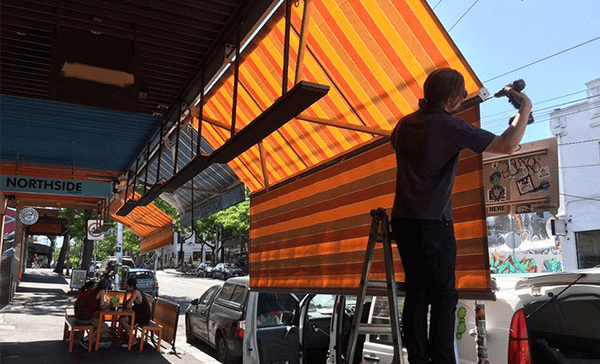 Choosing the Right Outdoor Awnings for Your Cafe or Restaurant
Upgrade your café or restaurant with outdoor awnings!
-
February 21, 2024
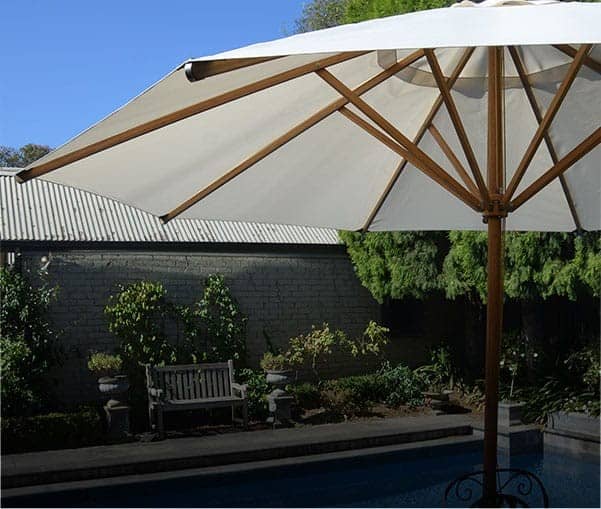 The All New Sirocco by Bambrella: Everything You Need to Know
If you’re in the market for a brand-new outdoor umbrella, you can never go wrong with the Bambrella brand. Today, we’re going to focus on one of their latest products, the all new Sirocco. Eco-friendly, versatile, and low-maintenance, the Sirocco umbrella comes with a beautiful bamboo frame that blends in almost anywhere. Throughout this article, […]
-
February 14, 2024
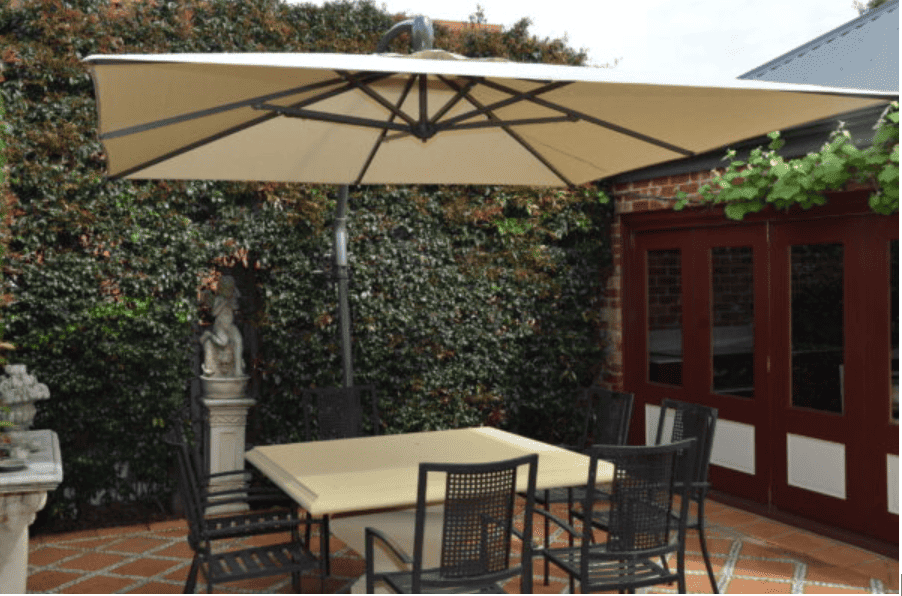 The Benefits of Cantilever Umbrellas
In case you’re unfamiliar, cantilever is a distinct style of umbrella that is characterised by a unique off-set base and structure. In practical terms, this design allows you to get the shade and sun protection you need without being obstructed by the umbrella’s base. This represents a clear contrast to many other umbrellas where the […]
-
February 1, 2024
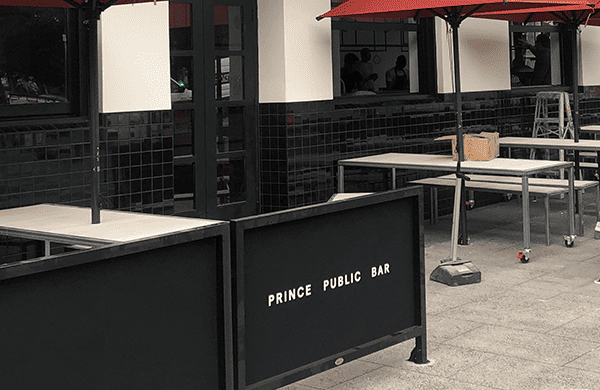 Café Wind Barriers – Answering Common FAQs
At Indoor Outdoor, we are experts in the field of branding of café barriers. We have access to many printing techniques including screen print and full digital processes. This also includes access to the most eco-friendly inks on the market today.
-
January 11, 2024
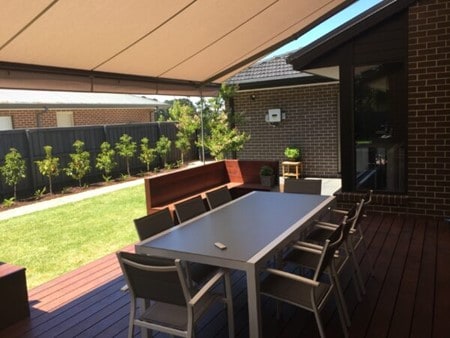 Folding Arm Awnings or Retractable Roof Systems – What’s The Best Option?
Folding arm awnings are great for sun shade and protection when the weather is moderate but do not handle strong winds. A retractable roof system like the “Genius” from Global Awnings is a larger investment but performs even in the worst weather conditions.
-
November 28, 2023
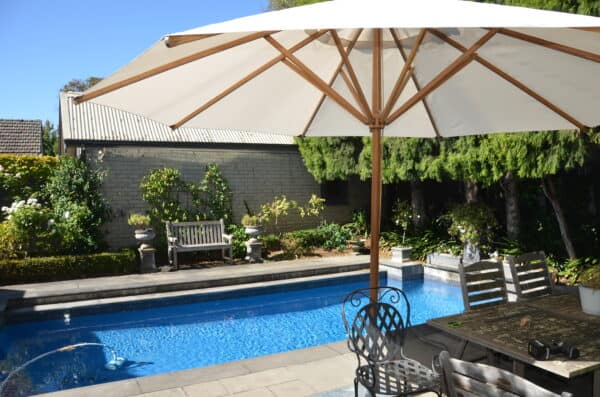 Bambrella Market Umbrellas or Commercial Aluminium – Which is Better?
About to invest in new market umbrellas? Whether you run a café, restaurant, hotel or bar, it’s important to familiarise yourself with the various options available.
-
September 28, 2023
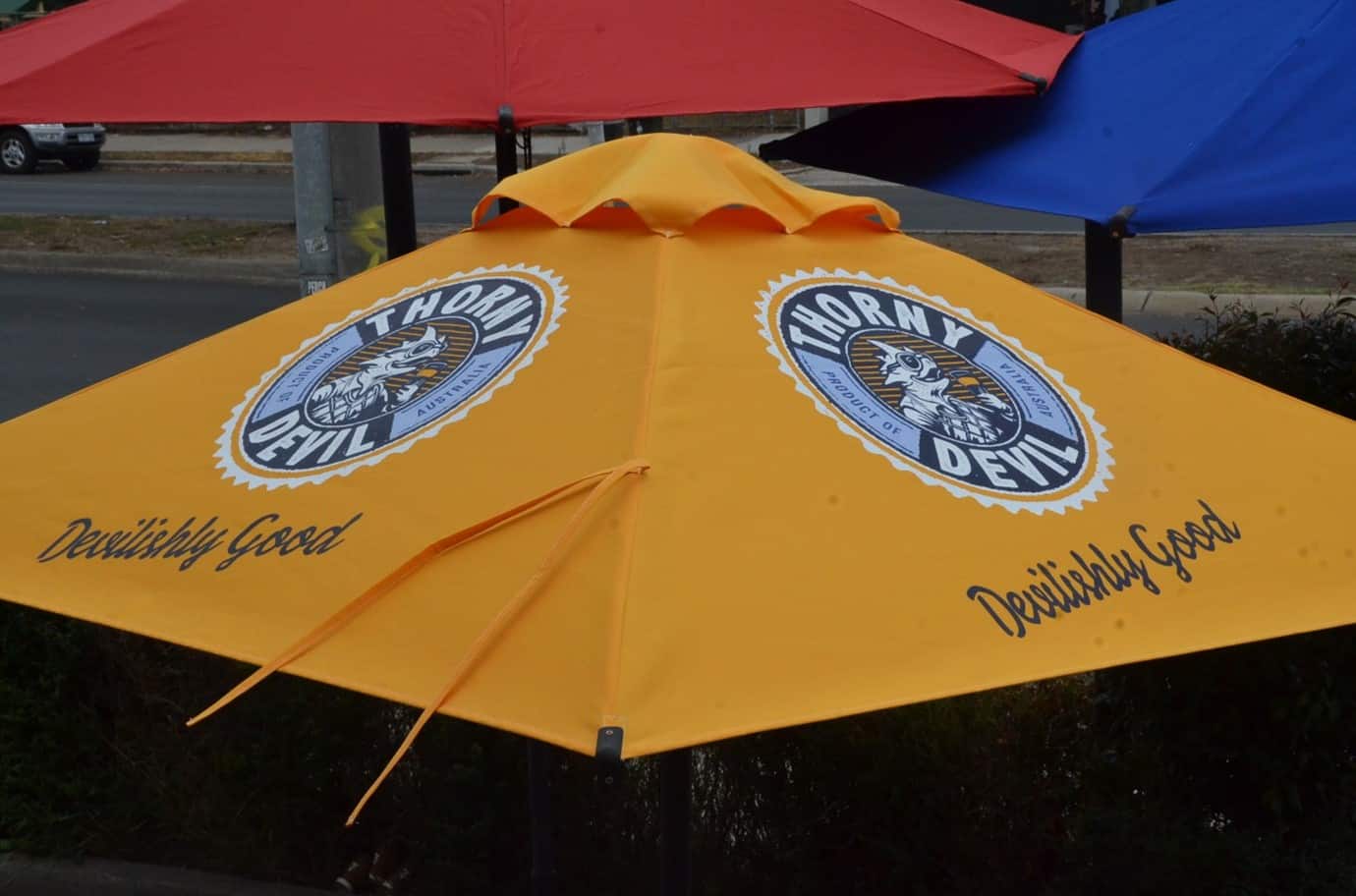 Promoting Your Business with Branded Market Umbrellas
If you own a cafe, restaurant or bar, market umbrellas are a great way to keep your patrons comfortable and protected from the elements. However, this is only a small slice of the many possibilities and benefits they offer. If you’re in the market for a new set of umbrellas, you’ll also be surprised at […]

Proud Family Owned Business

Exclusive Designed Products

3 to 5 Year Warranty* On Products

UV Protection & Water Repellant

Environment Friendly & Sustainable


Beautiful environmentally friendly bamboo umbrellas. Arguably the best market umbrella in the world. Five years frame guarantee.

Hands down, the best customer service and quality awnings I have experienced. My father recommend...
Lia Aloisio

David and his team have provided excellent and efficient service every time we've had an issue. W...
Calum M
Great company, Great product, Great price, & exceptional customer service & workmanship from both...
Tony Annakis
Our apartment complex recently purchased two umbrella's from the team at Indoor Outdoor Imports. ...
Leigh New